
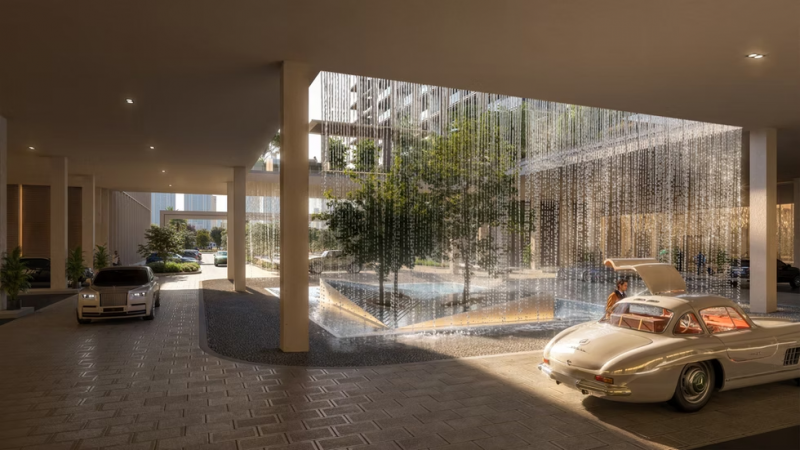
Lighting is a game-changer in 3D rendering. It’s the secret ingredient that breathes life into a scene, setting the mood and creating visuals that grab your attention. Get the lighting right, and you can create something truly spectacular; get it wrong, and even the best models can fall flat.
Let’s find out how much lighting can change everything in 3D rendering in Dubai, from the overall look and feel of a scene to the emotions it makes you feel.
Shadows create depth
Shadows help people see where objects sit in space. Without shadows, a ball looks like a flat circle on the screen. Soft edges suggest a large light source while sharp edges make a scene look harsh. Placing shadows in the right spots adds weight to every item in the view. It makes the world look solid and heavy instead of thin or fake.
Colors change the mood
Warm yellow tones make a room look cozy and safe. Blue tones make a space look cold or sad. Light carries color that bounces off walls and floor tiles to fill the air. This bounce light keeps the dark areas from looking like black holes. Using the right color of light helps people feel a specific emotion without saying a word.
Highlights show texture
Light reflects off surfaces to tell the eyes what an object is made of. A bright white spot on a sphere shows that the surface is smooth and shiny. Rough surfaces scatter the light in many directions which makes them look dull. Adjusting these bright spots helps viewers distinguish between hard plastic and soft fabric.
Direction guides the eye
Placing a light behind an object creates a glowing rim around the edges. This helps separate a character from the dark background. Light coming from the side shows off the tiny bumps and cracks in a wall. The angle of the light tells the viewer where to look first. It acts like a finger pointing at the most important part of the image.
Natural light adds realism
Adding light that looks like the sun makes a digital room feel open. Windows let in bright rays that hit the floor and spread across the ceiling. This kind of lighting mimics the real world that people see every day. It creates a sense of time like a bright morning or a late sunset. Realism comes from how light interacts with the air and dust in a room.