
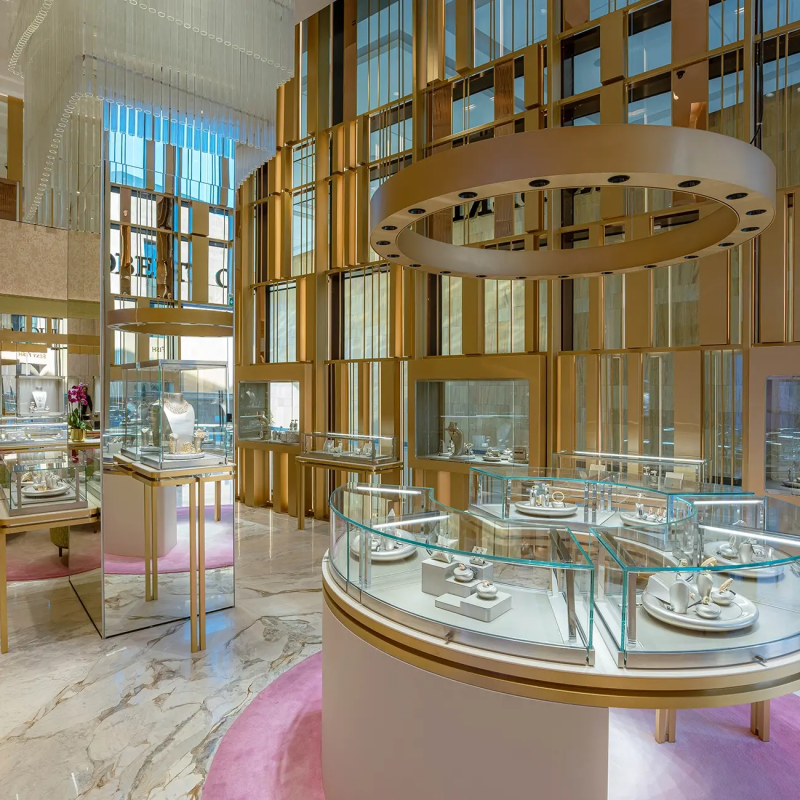
Ready to bring your dream commercial space to life? The first step is creating a rock-solid fit-out design brief. This document acts as your project’s North Star, guiding everyone from designers to contractors toward your ultimate vision.
In this article, we’ll walk you through the six essential questions you need to answer before you even think about starting your fit-out project or engaging a fit out company Dubai.
What is the main goal of the space?
You need to decide how the room will function every day. Is it for quiet work or social gatherings? Defining the primary use helps you pick the right layout and furniture. If the space lacks a clear purpose, the design will likely fail to meet your needs later.
What is your total budget?
Money dictates every choice you make during the process. Setting a firm limit prevents overspending on items that do not matter. Be honest about what you can afford so the design stays realistic. A clear budget helps everyone stay on the same page from start to finish.
Which style matches your vision?
Think about the colors and materials that make you happy. Do you prefer modern lines or a cozy, rustic look? Picking a style early makes it easier to choose paint, flooring, and lights. It ensures the final result looks cohesive and reflects your personal taste or brand identity.
How many people will use the area?
Capacity is a vital part of planning. A room for five people needs a different setup than a space for fifty. You must ensure there is enough room for people to move around comfortably. This helps in placing desks, chairs, and walkways in the most efficient spots.
What is your timeline for completion?
Time waits for no one in construction. You need a start date and a firm deadline for when you want to move in. Knowing the schedule helps you order materials that arrive on time. It also allows you to plan around any holidays or busy seasons that might cause delays.
Are there specific technical needs?
Modern spaces need power, internet, and good airflow. Think about where you need plugs for computers or special lighting for tasks. Addressing these technical bits early prevents you from having to tear down walls later. Small details in the plan lead to a much smoother experience once the doors open.